Fun, calming, and skill-building activities for the season
Fall is a season full of rich colors, crisp air, and new sensory experiences—but for children with autism, some of these seasonal changes can feel overwhelming. The good news? With the right activities and a sensory-friendly approach, fall can be a wonderful time to explore, learn, and build new skills.
Below are simple, engaging, and autism-friendly fall activities that encourage sensory exploration, communication, and fun—all while keeping your child regulated and comfortable.
 1. Nature Walk & “I Spy” Scavenger Hunt
A nature walk is a great low-pressure way to enjoy fall while supporting sensory input and language development.
How to Make It Sensory-Friendly: Choose a quiet park or trail Go at a slower pace and allow breaks Use visuals or a picture checklist for items to find
Skills Supported:
• Receptive/expressive language
• Joint attention
• Sensory regulation
Pro Tip: Collect leaves, acorns, pinecones, or sticks to use in a craft or sensory bin later!
 2. Leaf Sorting & Sensory Exploration
Leaves offer a wonderful sensory experience—color, texture, sound, and movement.
Activity Ideas: Sort leaves by size, color, or shape Gently rub leaves between fingers to feel the texture
 Blow leaves off a table to support breath control
Skills Supported:
• Fine motor
• Categorization
• Sensory processing
If crunchy leaves feel “too much” for your child, try fresh leaves with softer textures first.
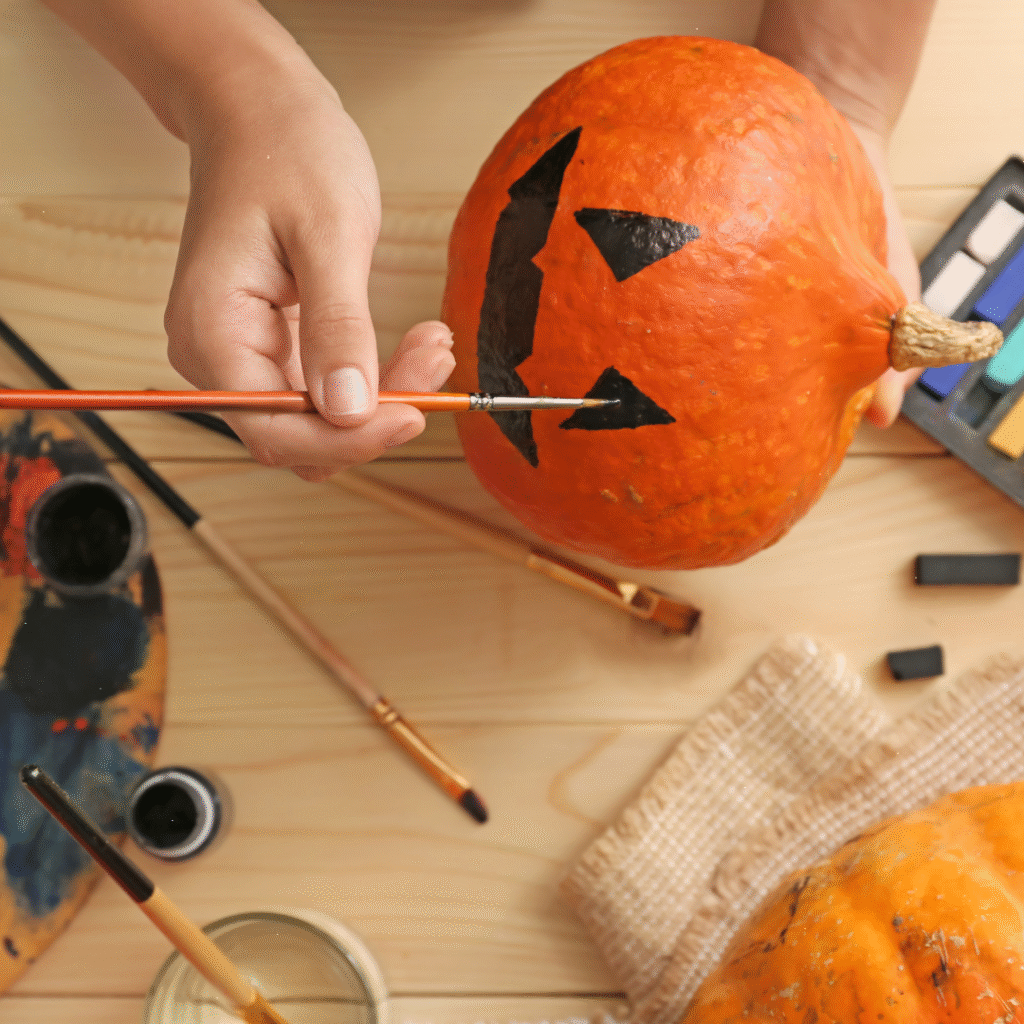
 3. Pumpkin Painting (Not Carving)
Pumpkin carving can be overwhelming—the smells, textures, and tools may be too intense. Painting offers a sensory-controlled alternative that still feels festive.
Options to Try: Finger painting (for sensory seekers) Brush painting for low-mess sensory input
 Stickers, googly eyes, or sponge painting
Goal Ideas:
• Choice-making (“What color do you want?”)
• Following 1–2 step directions
• Expressing creativity
 4. Fall-Themed Sensory Bins
Sensory bins are a calming way to explore textures while building language and play skills.
Fill with:
• Dry corn kernels
• Leaves
• Acorns (supervise for mouthing)
• Cinnamon sticks
• Mini pumpkins
• Scoops & cups
Add Learning: Hide letters or picture cards inside
 Practice turn-taking and requesting items
 Label objects to build vocabulary
If your child avoids certain textures, start with tools (spoons, tongs, paintbrush) to help them interact gradually.
 5. Apple Taste Test & Cooking Activity
Introduce new seasonal foods in a fun and low-pressure way.
Try: Sliced apples (different types) Apple sauce
 Warm apple crisp or baked cinnamon apples
Make It ABA-Friendly:
• Let your child explore foods with sight, smell, touch before tasting
• Use a “Try One Bite” or “Kiss-Lick-Bite” ladder for gradual exposure
Skills Supported:
• Expanding food repertoire
• Tolerance for new smells/textures
• Daily living skills
 6. Cozy Corner with Autumn Sensory Items
As the season shifts, create a safe, calming sensory space at home.
Include: Soft blanket
 Fall-scented diffuser (if tolerated)
 Autumn-themed books A fall-colored sensory light or lava lamp
Great for after school or post-activity regulation.
 7. Costume Dress-Up Practice (Without the Halloween Stress)
Costumes can bring sensory challenges—itchy fabric, tight seams, masks, or unfamiliar clothing.
Practice Before Halloween:
• Try on costumes for a few minutes each day
• Wash outfits first to soften fabrics
• Use comfortable alternatives like a themed T-shirt or soft onesie costume
Reward participation with a fall-themed activity afterward.
Fall is full of sensory opportunities that can encourage exploration, learning, and joyful memories for kids with autism. Whether you’re looking to support sensory regulation, communication, or simply embrace the season, these activities offer a balance of fun and developmental benefits.
Remember—every child experiences sensory input differently. Follow your child’s lead, offer choice, and adjust activities to match their comfort level. With the right support, fall can be a season of warmth, learning, and connection.